The Kaveri Campus
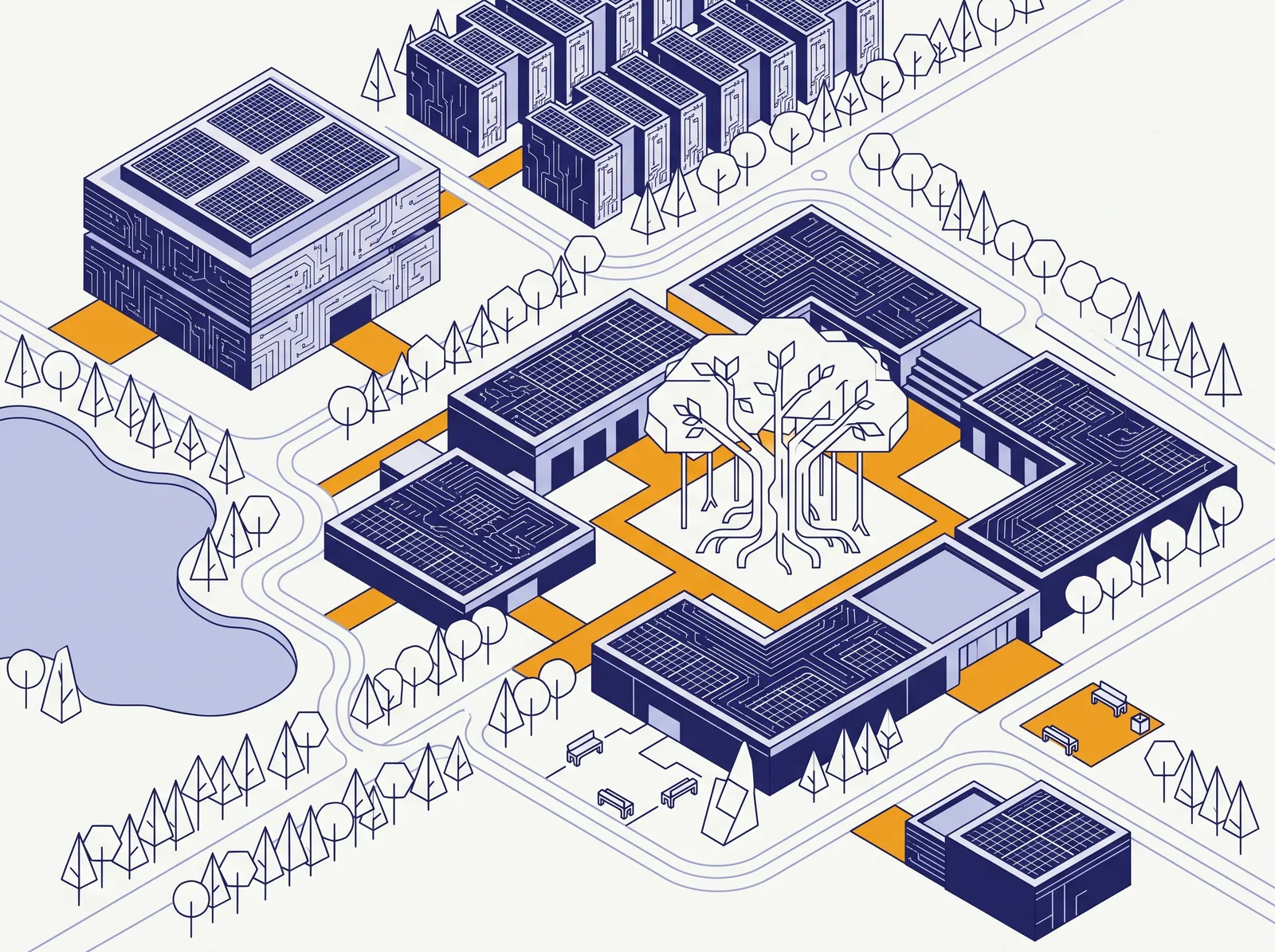
52 acres in Electronics City, opened in 2019. It runs on solar power, sends nothing to landfill, and keeps its makerspace open all night.
Research
180 faculty members and 310 patents filed since 2015. Undergraduates join a research lab in year 4; doctoral students are based in one of 14 centres.
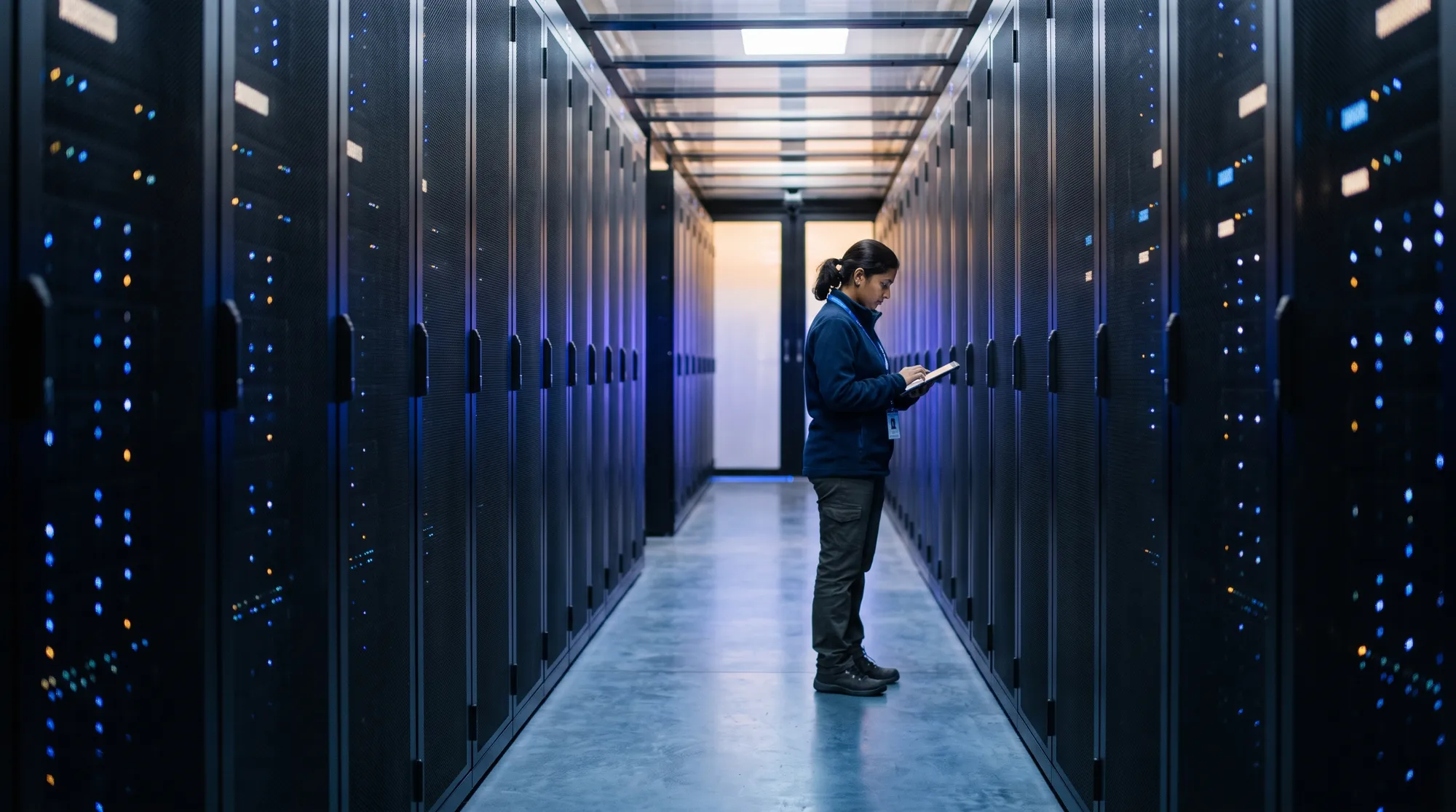
Aryabhata-X supercomputing centre
A 4,096-GPU cluster reserved for teaching and research. M.Tech students train and deploy their capstone models on it, and partner researchers can apply for allocated time each quarter.
Research centres
- Centre for Trustworthy AIInterpretability, evaluation, AI governance
- Quantum Systems LabQuantum algorithms and hardware simulation
- Indic Language ComputingSpeech and text models for Indian languages
- Secure Systems GroupCryptography and critical infrastructure
- Semiconductor Design CentreLow-power chips and design automation
- Digital Economy LabFintech, platforms and policy
And eight further centres in robotics, climate data, health computing, networks and more.
Living on campus
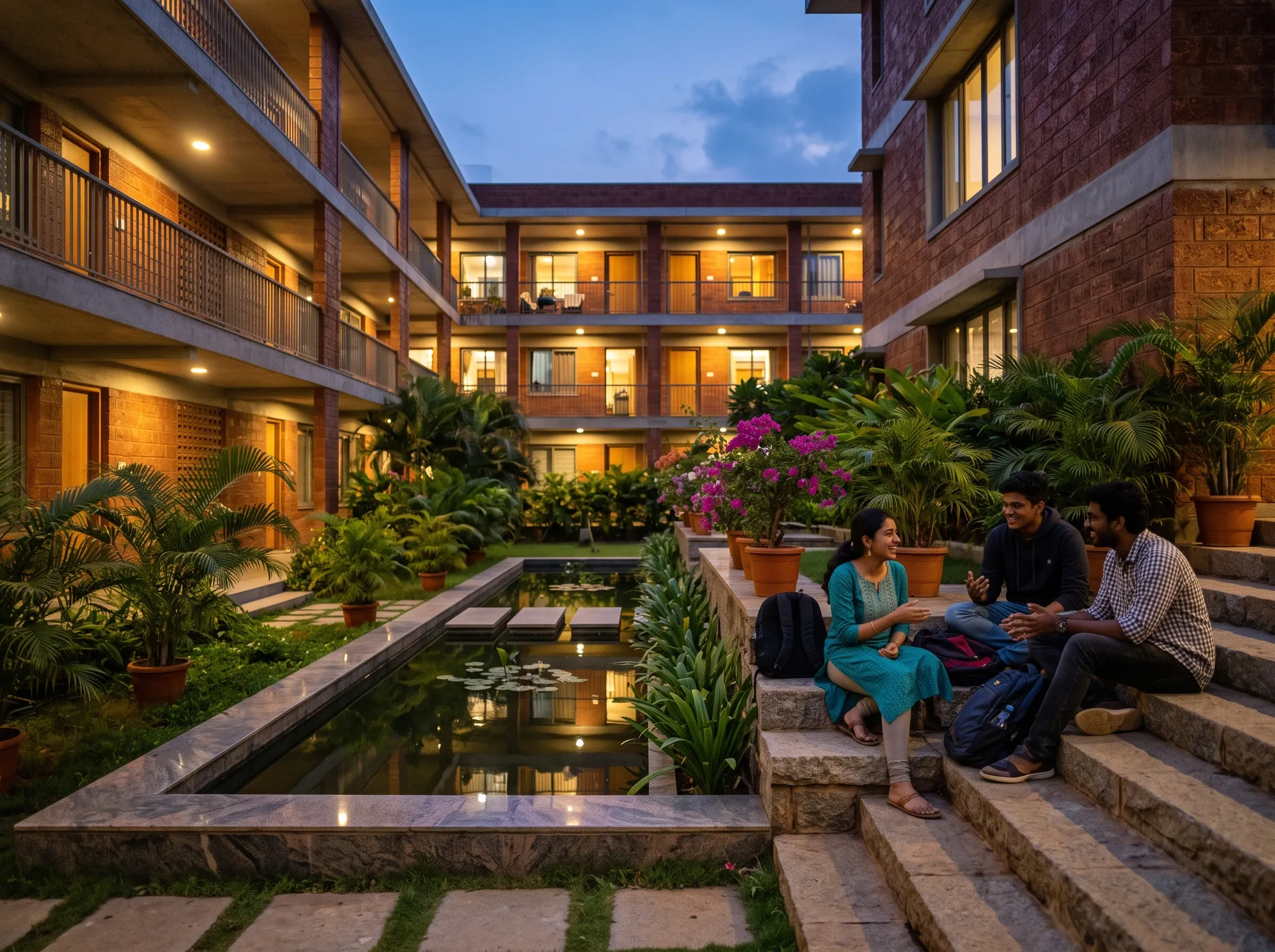
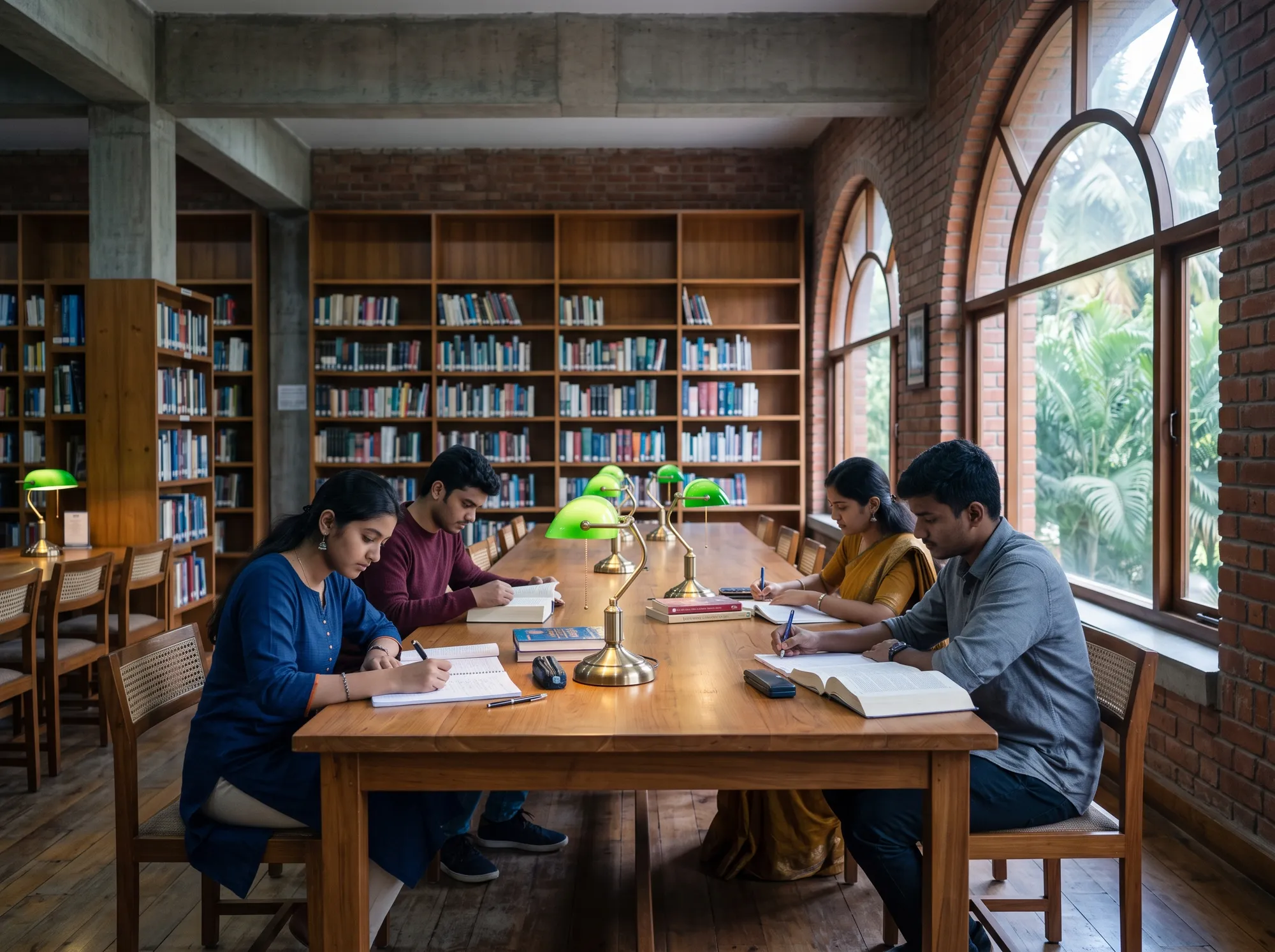
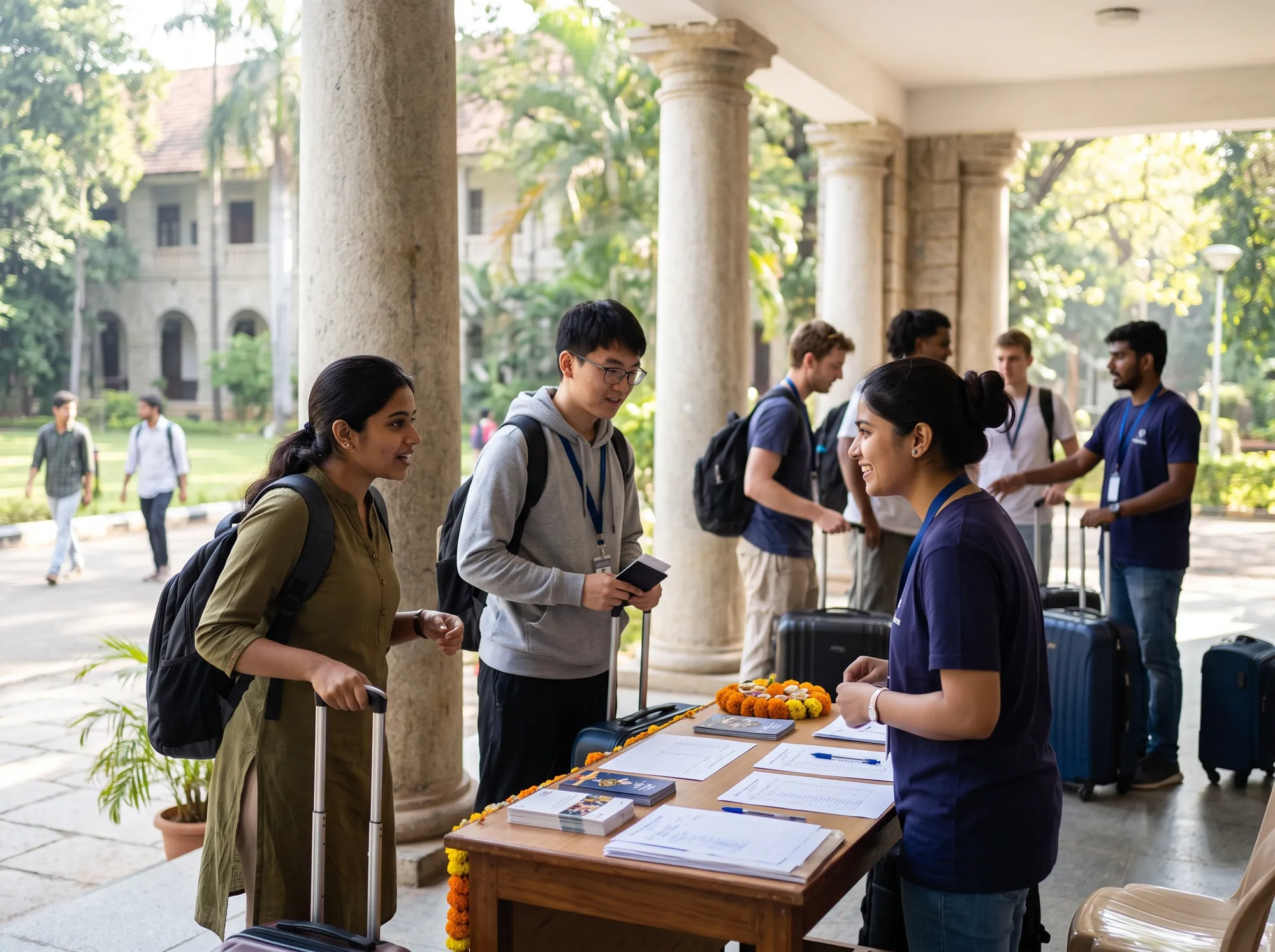
All first-year students live on campus. Each hall has its own kitchen, study rooms and a faculty warden who lives on site.

11 residence halls
Twin rooms in years 1–2, single rooms from year 3. Separate halls for graduate students and families.

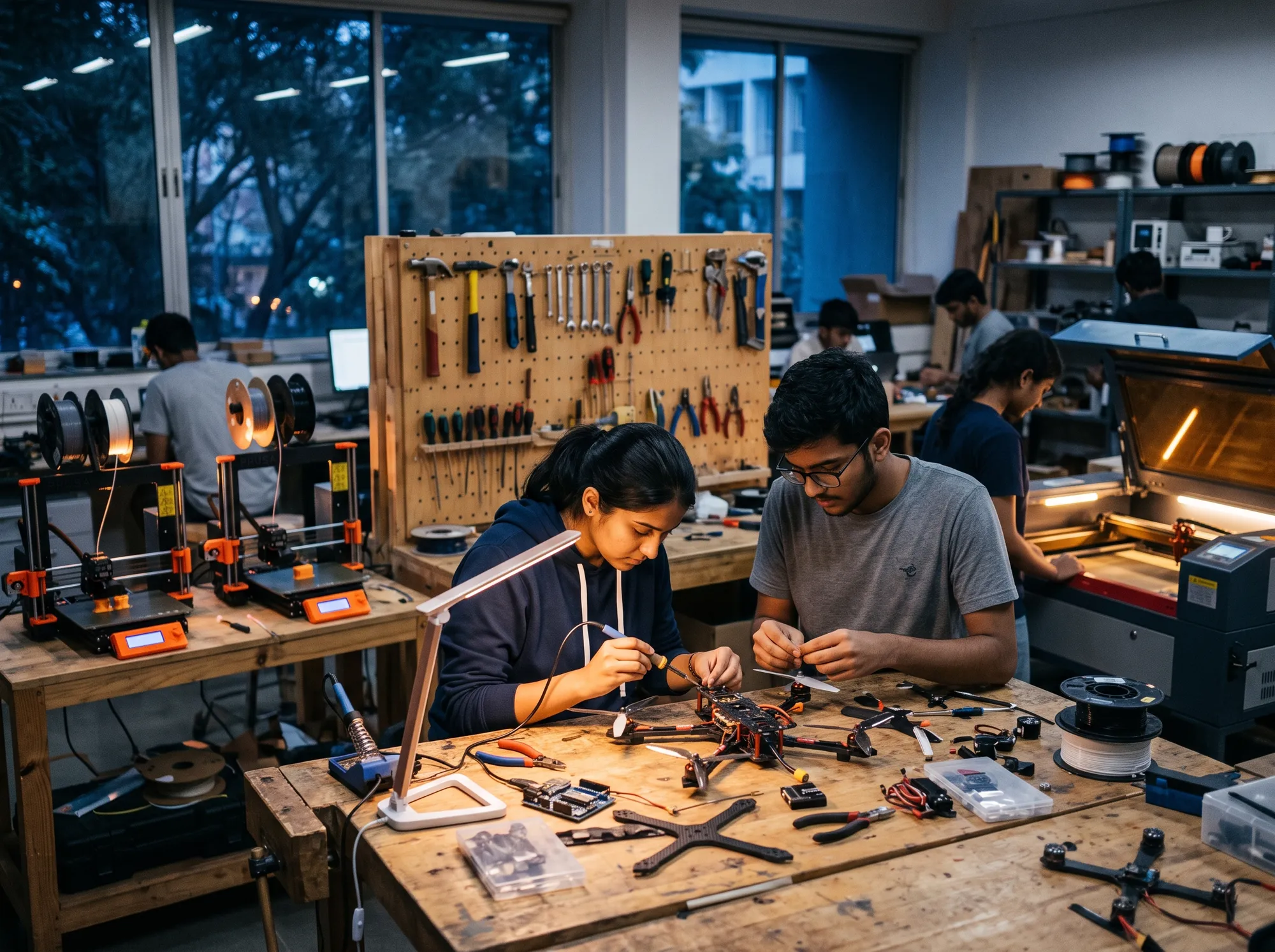
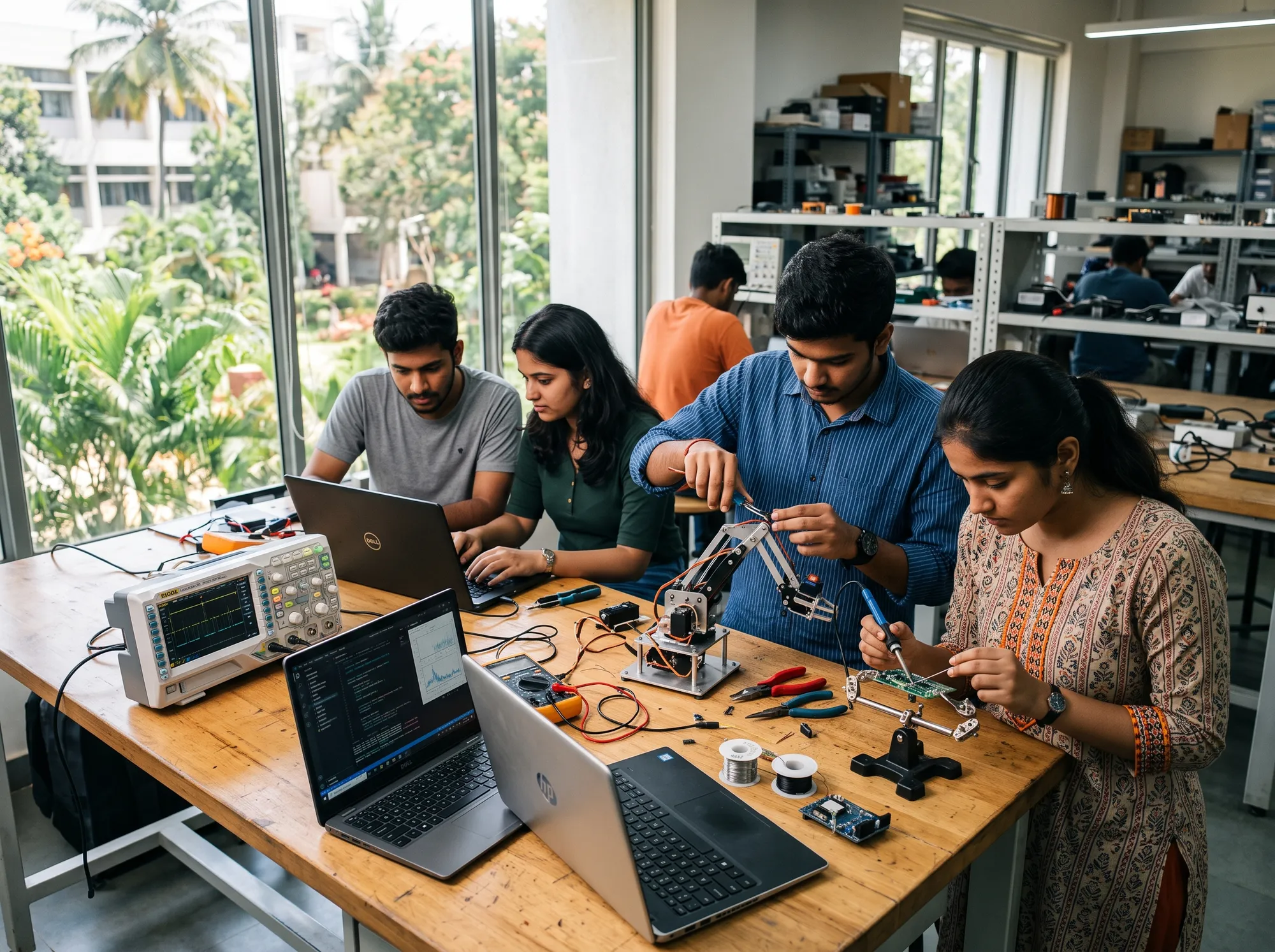
24/7 makerspace
3D printers, laser cutters, electronics benches and a drone cage, with trained student technicians overnight.

Solar and zero-waste
Rooftop solar covers the campus's daytime load; food waste becomes biogas for the dining halls.
After SIAC
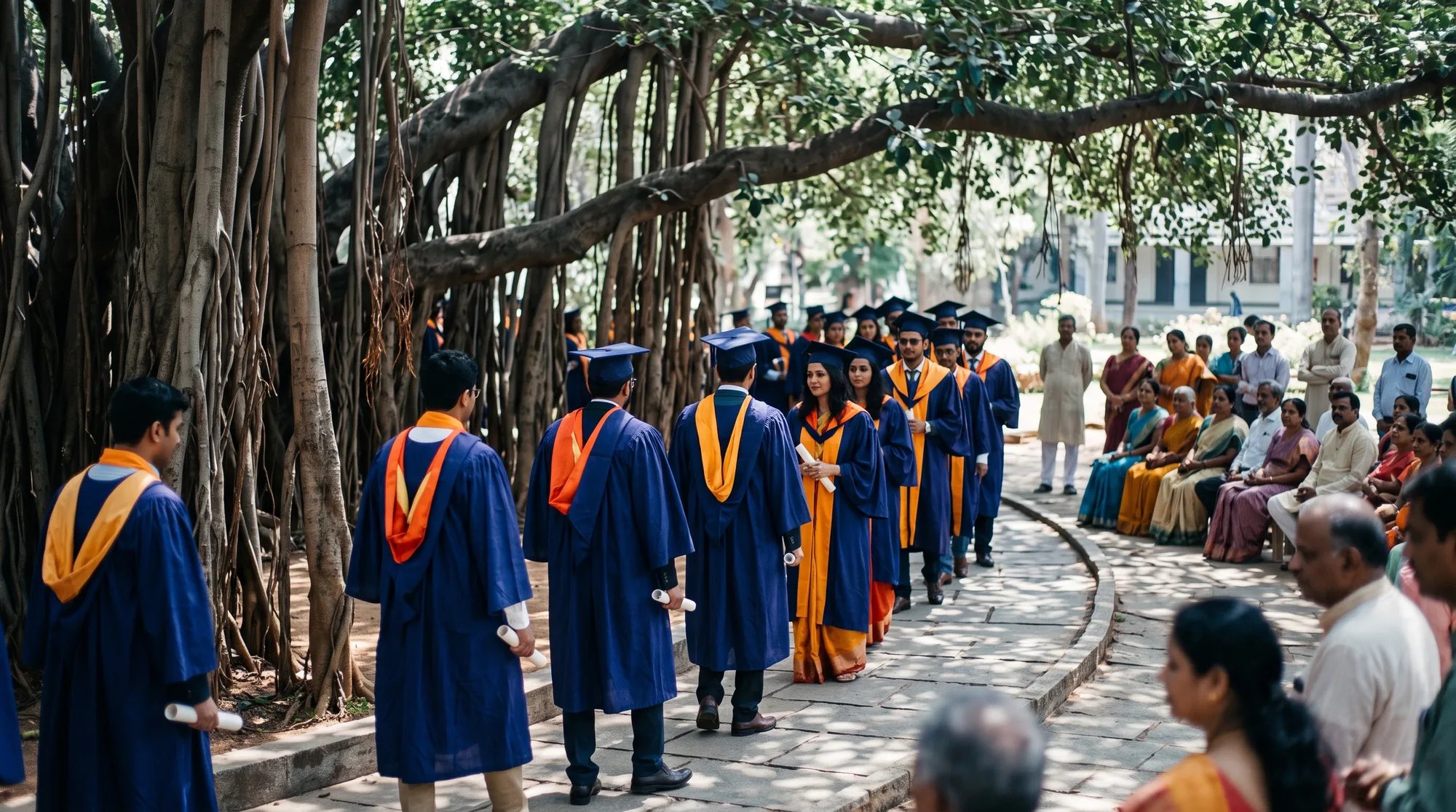
96% of graduates are placed, with a median starting salary of ₹32 LPA.
Graduates join partner companies, continue into doctoral study, or build their own ventures: 64 student startups have come out of the campus incubator, and three SIAC alumni have founded unicorn companies.
See the programmes